Ealing Broadway carpet cleaning experts W5: a practical guide for cleaner, fresher carpets
If you are searching for Ealing Broadway carpet cleaning experts W5, you are probably not just looking for a quick tidy-up. You want carpets that look better, smell fresher, and hold up well in everyday life. Maybe there is a spill that has quietly darkened over time. Maybe the hallway pile is looking tired from heavy foot traffic. Or maybe you simply want the place to feel lighter again. Truth be told, carpets take more punishment than most people realise.
This guide walks through what professional carpet cleaning actually involves, why it matters in a busy part of West London, how to judge the right service, and what to expect before, during, and after the clean. It also covers common mistakes, useful methods, and a few sensible checks that help you get a better result without overcomplicating things.
Expert summary: the best carpet cleaning is not just about making fibres look brighter for a day. It is about choosing the right method for the material, using controlled moisture, treating stains properly, and finishing with a drying plan that avoids lingering damp. That is where experience really shows.
Why Ealing Broadway carpet cleaning experts W5 matters
In a location like Ealing Broadway, carpets see a mix of everyday household use, commuter traffic, pets, family life, and the occasional muddy surprise from London weather. One minute the floor looks fine. The next, you notice flat patches in the hallway, a dull path through the living room, or that slightly stale smell that seems to linger after the heating comes on. Annoying, isn't it?
Professional carpet cleaning matters because dirt does not just sit on the surface. Fine grit works its way into the fibres, where it acts almost like sandpaper every time someone walks across the room. Over time, that can make carpets look worn before their time. Food spills, drink stains, pet accidents, and tracked-in grime also settle in different ways, which is why generic treatment rarely works well.
There is also a hygiene angle. Carpets can hold dust, allergens, and odours that regular vacuuming only partially removes. A proper clean is not a magic wand, but it can make a noticeable difference to comfort, freshness, and how the whole room feels. You will notice it most in homes where doors are opening and closing all day, or where there are children and pets doing their very best to undo your efforts.
For landlords, letting agents, offices, and hospitality spaces in W5, appearance matters too. A clean carpet signals care. A grubby one sends the opposite message in about three seconds flat.
If you need a broader overview of professional methods, the site's carpet cleaning service information is a useful place to understand what is typically included. For commercial premises, commercial carpet cleaning is often the better fit because the wear pattern, timings, and expectations are different.
How Ealing Broadway carpet cleaning experts W5 works
Professional carpet cleaning usually starts with inspection, not equipment. That sounds obvious, but it matters. Different fibres, dyes, stains, and backing materials respond differently to heat, moisture, and agitation. A good cleaner will look at the carpet type, the age of the marks, and how much soil has built up before choosing a method.
In practical terms, the process often includes a few stages:
- Inspection and fibre check - identifying wool, synthetic blends, delicate rugs, or problem areas.
- Vacuuming and dry soil removal - removing loose grit before any moisture is used.
- Pre-treatment - applying a suitable solution to loosen embedded dirt and help with spot marks.
- Agitation or dwell time - allowing the treatment to work into the fibres.
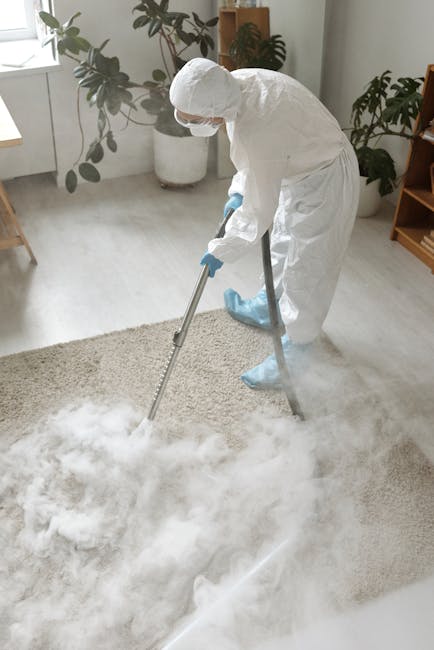
- Hot water extraction or steam-based cleaning - using controlled water and suction to lift soil from the pile.
- Spot treatment - dealing with stubborn stains individually, where appropriate.
- Final grooming and drying advice - helping the pile recover and reducing the risk of overwetting.
People often use the phrase "steam carpet cleaning" loosely, but in real-world practice the distinction matters. Most modern professional systems rely on hot water extraction rather than pure steam. That means hot solution, agitation, and powerful extraction rather than literally blasting carpets with steam like a kettle has gone rogue. The site's steam carpet cleaning approach page can help you understand that service style in more detail.
Some carpets also need stain-specific treatment. A red wine mark, a pet accident, and a grease stain are not cousins. They behave differently and need different chemistry. That is why a careful assessment before treatment is worth more than a rushed promise.
Key benefits and practical advantages
The first benefit most people notice is appearance. Colours look clearer, the pile stands up better, and the room feels less heavy. But the practical advantages go further than that.
- Better indoor freshness: old odours often sit in carpet fibres and backing, especially in busy homes.
- Improved comfort: a deep-cleaned carpet tends to feel softer and more even underfoot.
- Longer carpet life: removing grit and residues helps reduce fibre wear.
- More effective stain management: professional pre-treatment can lift marks that household sprays only smear around.
- Cleaner finish for moving home or end-of-tenancy checks: which can save stress at exactly the wrong time.
- Better presentation for clients or guests: useful in offices, rentals, and reception spaces.
There is also a subtle but real psychological effect. A freshly cleaned carpet changes how a space feels. Morning light looks better on it. Bare feet feel nicer on it. Even a small flat can seem more cared for. It sounds minor, but home comfort is built from these little things.
For homes with sofas, rugs, curtains, or upholstery that have picked up the same dust and odours, it can make sense to treat the room as a whole. Related services like rug cleaning, sofa cleaning, and curtain cleaning can help create a more complete result. If the issue goes beyond visible marks, pet stain and odour removal may be the missing piece.
Who this is for and when it makes sense
Not every carpet needs immediate professional treatment. Sometimes a good vacuum and a bit of patience are enough. But there are clear situations where bringing in experienced help makes more sense.
This is often the right call if you are:
- moving in or moving out of a property;
- preparing a rental for inspection or new tenants;
- dealing with a stain that has already set;
- noticing smells that keep returning after cleaning;
- managing a family home with pets or young children;
- looking after office carpets that are starting to look patchy in busy walkways;
- trying to refresh a room before visitors, photos, or a sale.
It also makes sense when carpets have become uneven in colour. High-traffic paths can look darker because they hold more soil. That is a classic sign that a deeper clean could help, and it often surprises people how much it changes the feel of a room.
On the other hand, if a carpet is extremely delicate, badly damaged, or suffering from water damage, the best next step may not be a standard clean at all. A good provider should say so clearly. That kind of honesty matters more than a sales pitch.
Step-by-step guidance
If you want the best result, it helps to approach the job in a sensible order. Here is the practical version.
- Identify the issue
Is it general dullness, a specific stain, an odour, or heavy wear? Different problems need different treatment. - Check the carpet type
Wool, synthetic, and mixed-fibre carpets behave differently. A wool carpet, for example, usually needs a gentler approach than a robust synthetic office carpet. - Vacuum thoroughly first
This removes loose grit and improves the effectiveness of any wet cleaning stage. - Test if needed
On certain carpets or stains, a small test area helps avoid colour transfer or fibre distortion. - Pre-treat problem areas
Stains and traffic lanes often need a targeted solution before extraction. - Use the right cleaning method
Not every carpet benefits from the same system. The goal is controlled cleaning, not soaking. - Allow proper drying time
Keep airflow moving, avoid heavy foot traffic too soon, and follow aftercare advice. - Inspect the result
Look at the carpet from different angles and in natural light if possible. Sometimes marks show more clearly at 3pm by the window than under artificial lights.
If you are comparing what is included or trying to understand the likely scope of work, the pricing and quotes information is a sensible reference point. It is also worth reading the terms and conditions so you know what expectations, exclusions, and service boundaries apply before booking.
Expert tips for better results
A few small choices can make a big difference. They are not glamorous, but they help.
- Act quickly on spills, but do not rub aggressively. Blotting is usually safer than scrubbing. Scrubbing can push the stain deeper or fray the pile.
- Use minimal moisture at home. Overwetting a carpet is a common reason for slow drying and musty smells.
- Know your fibre. Wool behaves differently from polypropylene. A solution that works brilliantly on one can be too harsh on the other.
- Lift furniture where practical. Even moving a few chairs or a side table can improve access and reduce missed patches.
- Keep ventilation going. A window cracked open and a bit of airflow can help more than people expect, especially on cooler days.
- Treat odour and stain together. Masking smells without removing the source rarely lasts.
- Ask how drying is managed. Good cleaning is not just about what goes into the carpet. It is about what comes back out.
And a small one, because it saves hassle: keep pets out of the room until the carpet is properly dry. A damp carpet and curious paws are not a winning combination. At all.
If your carpet has a stubborn mark that is not budging, the dedicated stain removal service may be worth considering. For soft furnishings in the same room, upholstery cleaning can help bring the whole space back into balance.
Common mistakes to avoid
Most carpet problems do not come from one huge mistake. They come from a series of small ones. That is the boring truth, but it is true.
- Using too much detergent - residue attracts more dirt, which means the carpet can look dirty again faster.
- Scrubbing stains in circles - this can spread the mark and distort the pile.
- Cleaning only the visible patch - spot cleaning one area without blending can leave a noticeable outline.
- Ignoring drying time - damp carpets trap odour and can re-soil more easily.
- Choosing the wrong method for the fibre - especially on delicate or natural carpets.
- Forgetting the source of the stain - if a pet accident has reached the underlay, surface cleaning alone may not solve it.
Another common issue is assuming that a stronger chemical always means a better result. Usually it means more risk. A careful, measured approach beats a heavy-handed one most days of the week.
There is also the temptation to delay. "I'll get to it next weekend" turns into three months, and then the stain has settled in like it pays rent. Happens all the time.
Tools, resources and recommendations
You do not need a warehouse of specialist gear to keep carpets in decent condition, but a few tools and habits help a lot.
Useful home tools:
- a vacuum cleaner with a clean filter and a good seal;
- a white microfibre cloth for blotting spills;
- a soft brush for lifting pile after cleaning;
- a fan or open-window airflow for drying;
- a plain, suitable carpet protector only if recommended for your carpet type.
Useful service considerations:
- Ask whether the cleaner has experience with your carpet fibre and stain type.
- Check whether they explain drying expectations clearly.
- Confirm how they handle pet issues, traffic lanes, and delicate areas.
- Ask if furniture moving is included or limited.
For homes with multiple fabric surfaces, it can help to group jobs sensibly. For instance, a carpet clean alongside mattress cleaning or curtain cleaning can be more efficient than doing each one months apart. Small coordination, big difference.
If you are looking after a rental or a small business, commercial-grade cleaning standards and scheduling can matter more than people expect. The right provider should be able to explain this in plain English rather than drowning you in jargon. That is usually a good sign.
Law, compliance, standards, or best practice
Carpet cleaning is not usually a heavily regulated trade in the way some other industries are, but responsible providers still need to work to sensible UK best practice. That includes clear communication, safe handling of equipment and chemicals, appropriate insurance, and respect for property and occupants.
From a customer perspective, a few checks are wise:
- Insurance and safety: make sure the business can explain its cover and working practices clearly. The site's insurance and safety information is there for exactly that reason.
- Health and safety: wet floors, cables, and cleaning agents should be handled carefully. A tidy process matters as much as the clean itself.
- Pricing transparency: you should understand what is included before work begins, not after.
- Privacy and payment confidence: if booking or paying online, it is sensible to know how your details are handled. The site's payment and security and privacy policy pages cover those basics.
Best practice also means honest limitations. A reputable cleaner should say when a stain may not fully lift, when a carpet is too fragile for aggressive cleaning, or when additional work may be needed. That kind of caution is not a weakness. It is experience.
If you care about environmental considerations, it may also be worth looking at recycling and sustainability information to understand how waste, water use, and materials are approached. Not every job needs a lecture on it, but many customers do appreciate the thought.
Options, methods, or comparison table
Different carpet cleaning methods suit different situations. The right one depends on fibre type, soil level, drying time, and stain complexity. Here is a simple comparison.
| Method | Best for | Strengths | Watch-outs |
|---|---|---|---|
| Vacuuming only | Regular upkeep | Fast, simple, essential for maintenance | Will not remove deep soil or stubborn marks |
| Spot treatment | Small spills and targeted marks | Useful for immediate response | Can leave patchiness if used alone |
| Hot water extraction | Most domestic and many commercial carpets | Good deep-cleaning potential and soil removal | Needs sensible drying time |
| Steam-style carpet cleaning | Heavily soiled areas, depending on fibre | Can refresh tired carpets effectively | Not ideal for every material |
| Specialist stain treatment | Set stains, odours, pet incidents | Targets specific issues | May still depend on stain age and fibre type |
If you are deciding between a general refresh and a deeper intervention, the clue is often in the carpet itself. If the pile is flat, the colour looks dull, and vacuuming no longer makes much difference, deep cleaning is likely due. If you have one or two clear marks, stain-specific treatment may be enough. Simple enough, really. Mostly.
Case study or real-world example
A typical local scenario goes like this: a family in a flat near Ealing Broadway has a hallway carpet that looks dark down the centre and a living room rug that has picked up faint odour after months of normal use. Nothing dramatic. Just that slow, everyday build-up that quietly changes a room.
The first step is always a proper look at the fibres and the source of the problem. In a case like this, the hallway usually needs deeper soil removal because it has collected grit from shoes and prams. The rug may need separate treatment because it has different construction and a tighter pile. If there are pet traces involved, a targeted odour process may also be needed. A one-size-fits-all approach would be a bit lazy, to be honest.
After cleaning, the family would usually notice two things first: the room smells fresher, and the carpet colour looks more even. Then, a day or so later, they notice the subtle bit - the room feels calmer. Less dusty. Less heavy. That is often the real win, not just the before-and-after photo. Though, yes, the photo is satisfying too.
For properties with mixed soft furnishings, combining the carpet job with rug cleaning or sofa cleaning often gives a more complete transformation. If the issue is especially stubborn, a targeted pet stain and odour removal treatment may be the key piece.
Practical checklist
Use this before you book or before you start a clean at home.
- Identify the main issue: dullness, stain, odour, or heavy traffic wear.
- Check the carpet fibre and condition.
- Vacuum thoroughly before any wet cleaning.
- Move lightweight furniture where practical.
- Ask what method will be used and why.
- Ask how long drying should take.
- Confirm whether stain treatment is included or separate.
- Keep pets and children away from damp carpet until it is ready.
- Plan ventilation for after the job.
- Inspect the finish in natural light if possible.
Quick reminder: a good clean should leave your carpet looking refreshed, not soggy, sticky, or oddly perfumed. If it smells overpowering straight after, that is not always a good sign.
Conclusion
Finding Ealing Broadway carpet cleaning experts W5 is really about finding a team that understands carpets as materials, not just surfaces. The best results come from careful inspection, the right cleaning method, honest advice, and proper aftercare. That applies whether you are freshening up a family home, tidying a rental, or making a workplace feel more presentable again.
Take your time with the choice. Ask practical questions. Look for clear explanations. And remember that a reliable cleaner should make the process feel straightforward, not mysterious. When done properly, the difference is not only visible - it is something you feel the moment you walk into the room.
Get a free quote today and see how much you can save.
In the end, a well-cleaned carpet does more than improve a room. It brings a little bit of calm back into everyday life, and that counts for quite a lot.
Frequently Asked Questions
How often should carpets be professionally cleaned in Ealing Broadway?
It depends on foot traffic, pets, children, and how quickly dirt builds up. Many homes benefit from a deep clean every 12 to 18 months, but busier properties may need it more often.
Is steam carpet cleaning safe for wool carpets?
It can be, but only when the method is suitable for the fibre and moisture is carefully controlled. Wool often needs a gentler approach, so inspection first is essential.
Will carpet cleaning remove old stains completely?
Not always. Some stains have already bonded with the fibres or backing. A skilled cleaner can usually improve them, but no honest professional should promise perfection on every mark.
How long does a carpet take to dry after cleaning?
Drying time varies by fibre, humidity, room temperature, and how much water was used. Good airflow helps a lot. In many cases, carpets are touch-dry within hours, but full drying can take longer.
Can carpet cleaning help with pet smells?
Yes, especially if the odour is coming from the fibres and not deeply into the underlay. For stronger pet issues, a targeted treatment such as pet stain and odour removal is often the better option.
What should I do before the cleaner arrives?
Vacuum the area if possible, move small items, and point out any stains or concerns. That small bit of prep helps the cleaner focus on the right trouble spots from the start.
Is it worth cleaning an old carpet?
Often, yes. If the carpet is structurally sound, a professional clean can improve appearance and hygiene significantly. If the fibres are badly worn or damaged, replacement may be more sensible.
What is the difference between carpet cleaning and upholstery cleaning?
Carpet cleaning deals with floor coverings, while upholstery cleaning is for fabric furniture like sofas and armchairs. Different fabrics, different risk levels, different techniques.
Can I walk on the carpet straight after cleaning?
Usually not right away. Light foot traffic may be okay once the surface is mostly dry, but it is best to follow the aftercare advice so you do not flatten the pile or re-soil damp fibres.
Do I need different cleaning for commercial carpets?
Usually, yes. Commercial carpets often deal with heavier traffic, tighter schedules, and more noticeable wear patterns. The site's commercial carpet cleaning page is the relevant place to look if the job is for an office or business premises.
How do I compare carpet cleaning quotes sensibly?
Look beyond the headline price. Check what method is included, whether stain treatment costs extra, how drying is handled, and whether the quote covers furniture movement or special fibres.
What if I only need one stain removed?
That is completely normal. A targeted stain removal service may be more appropriate than a full-room clean, especially if the rest of the carpet is in good condition.