Stain Removal in Everyday Spaces: Practical Methods for Cleaner Fabrics, Surfaces, and Floors
Stain removal in the home, office, and commercial spaces is one of those everyday challenges that never seems to go away. Whether it is a fresh coffee spill on a shirt, a greasy mark on a kitchen counter, or a stubborn wine stain on carpet, knowing how to approach stain removal correctly can save time, protect materials, and keep spaces looking polished. The best results come from understanding the type of stain, the surface involved, and the right cleaning method to use without causing damage.
Many people rush into scrubbing, but effective stain removal is usually about acting quickly, using the right product, and avoiding common mistakes. Different stains respond to different treatments, and a method that works on cotton may not work on upholstery, stone, or hardwood. That is why stain removal is more than just cleaning—it is a practical skill that helps preserve the appearance and lifespan of your belongings.
Stain removal also plays a major role in hygiene and presentation. In homes, it helps fabrics, carpets, and surfaces stay fresh. In workplaces, it supports a professional image and reduces the visible wear that can make a space feel neglected. From kitchen mishaps to bathroom buildup and fabric discoloration, a smart stain removal routine can make a noticeable difference every day.
Why Stain Removal Matters for Homes and Businesses
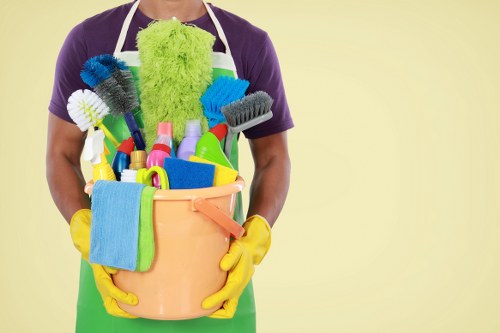
Stains are more than cosmetic problems. When left untreated, they can set into fibers, penetrate porous surfaces, and become harder to remove over time. In many cases, early stain removal prevents permanent discoloration and reduces the need for harsh chemicals later. That is why quick action is often the first rule of successful cleaning.
For households, stain removal helps maintain comfort and cleanliness. A clean sofa, spotless carpet, and fresh-looking kitchen surface all contribute to a better living environment. For businesses, proper stain removal supports brand perception, employee morale, and customer confidence. A stained chair in a waiting room or a marked entrance floor can send the wrong message, even when everything else is well maintained.
In addition, stain removal can protect the value of materials. Upholstery, rugs, curtains, and delicate fabrics often cost more than people realize, and replacing them early because of avoidable staining can be expensive. With the right stain removal approach, these items can last longer and continue to look their best.
Understanding Different Types of Stains
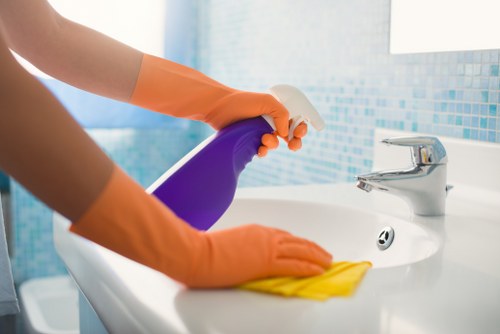
Before starting any stain removal process, it helps to identify what caused the mark. Stains generally fall into several categories, and each one needs a different response. Knowing the type of stain can help you choose the safest and most effective method.
Common stain categories include:
- Protein-based stains such as blood, egg, milk, or sweat
- Oil-based stains like cooking grease, makeup, lotion, and salad dressing
- Tannin stains including coffee, tea, wine, and fruit juice
- Dye-based stains from ink, colored drinks, or cosmetics
- Organic stains from grass, mud, and food residue
Each stain type behaves differently. For example, protein stains can set when exposed to hot water, while oil-based stains often need a degreasing approach before washing. This is why stain removal is not a one-size-fits-all process. A little knowledge can prevent bigger problems.
In many cases, stain removal starts with blotting instead of rubbing. Blotting lifts excess material away from the surface, while rubbing can spread the stain and push it deeper into fabric or porous material. That simple adjustment can make stain removal much more successful.
Essential Stain Removal Principles That Work
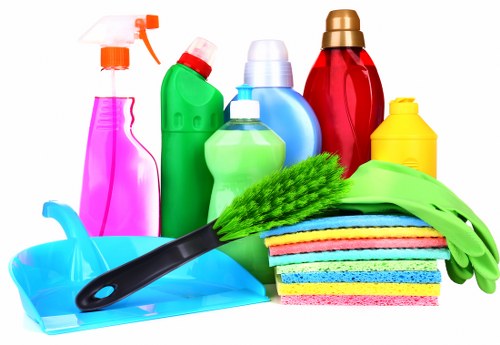
There are several basic principles that improve nearly every stain removal attempt. These principles are simple, but they can dramatically increase the chances of success. The first is to act quickly. Fresh stains are always easier to remove than old ones because they have not had time to bond with the material.
The second principle is to test before treating. Whether you are working on clothing, upholstery, or a painted surface, it is wise to test a cleaning solution in a hidden area first. This small step can prevent fading, discoloration, or damage during stain removal.
The third principle is to use the mildest effective method. Strong chemicals are not always necessary. Many stain removal tasks can be handled with warm water, mild soap, baking soda, white vinegar, or a specialized cleaner matched to the stain. Starting gently and increasing strength only if needed is often the safest route.
Helpful stain removal rules to remember
- Blot first, rub later only if needed
- Work from the outside of the stain inward
- Use cold water for protein stains
- Use absorbent powders for oily stains
- Avoid heat until the stain is fully gone
Stain removal is often about patience. Some marks may fade gradually instead of disappearing instantly, so repeated gentle treatment can be better than aggressive scrubbing. That mindset helps protect the material while improving results.
Stain Removal on Fabrics and Clothing
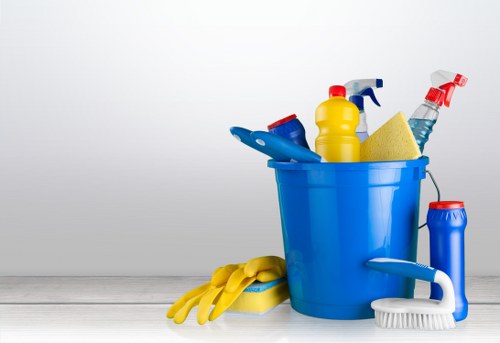
Fabric stain removal is one of the most common cleaning concerns. Clothing, bedding, towels, and table linens are exposed to food, drinks, sweat, cosmetics, and everyday messes. The good news is that many fabric stains can be handled successfully if you use the right process. The key is to identify the fabric type and the stain type before choosing a treatment.
For clothing, stain removal often begins with a pre-treatment step. This may include a small amount of liquid detergent, a stain stick, or a paste made from baking soda and water. After pre-treatment, the item is usually rinsed or washed according to the care label. If the stain remains visible after washing, do not dry the item yet. Heat can set the stain, making future stain removal much more difficult.
Delicate fabrics require extra care. Silk, wool, and specialty blends may react poorly to strong stain removers or prolonged soaking. In these cases, stain removal should be slow and cautious. A gentle detergent and cool water are often safer than harsh chemicals. When in doubt, professional cleaning may be the best option.
Common clothing stains and what to do
- Coffee and tea: Rinse with cold water and treat with mild detergent.
- Grease: Apply absorbent powder first, then wash with a degreasing soap.
- Ink: Dab carefully with alcohol-based cleaner, testing first.
- Wine: Blot immediately and apply cold water or salt to absorb excess.
- Blood: Use cold water only, as heat can lock it into the fibers.
Effective stain removal on clothing is often about speed, restraint, and the right detergent. If the stain is stubborn, repeated treatments may be needed, but always avoid drying until the mark is gone.
Stain Removal on Carpets and Upholstery
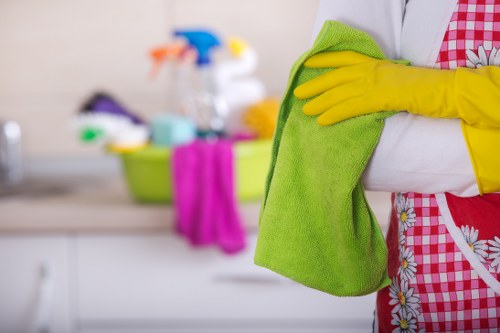
Carpet and upholstery stain removal can be challenging because these materials absorb spills quickly. Unlike hard surfaces, soft furnishings trap liquid and residue deep into fibers and padding. That means immediate action matters even more. Blotting the spill with a clean cloth is the first step, followed by the right cleaning solution for the stain type.
When it comes to carpet stain removal, water alone may not be enough. For many spots, a mix of mild dish soap and water can help lift residue. For odor-causing stains, such as pet accidents, enzymatic cleaners are often a smart choice because they break down organic material rather than just masking it.
Upholstery stain removal requires additional caution. Some fabrics can fade or shrink if over-wet. Use as little liquid as possible and avoid saturating cushions. If you are not sure how the fabric will respond, use a hidden area for testing. A small, careful effort can prevent a bigger repair problem later.
Best practices for soft surfaces
- Blot immediately using white cloths or paper towels
- Do not scrub aggressively
- Use a small amount of cleaner at a time
- Allow the area to air dry fully
- Vacuum after drying to restore texture
Stain removal from carpets and upholstery often works best when combined with good drying habits. Moisture left behind can lead to odors, mildew, or recurring spots, especially in thick fabrics. Proper drying is just as important as the cleaning itself.
Stain Removal on Kitchen Surfaces and Hard Materials
Kitchen surfaces face a wide variety of stains, from tomato sauce and coffee drips to grease splatter and food coloring. Hard surfaces may appear easier to clean, but certain materials are sensitive to scratches, acids, or strong chemicals. Effective stain removal depends on the surface type as much as the stain itself.
For countertops, use cleaners that match the material. Laminate, quartz, granite, marble, and stainless steel each have different cleaning requirements. For example, acidic cleaners can damage natural stone, while abrasive pads can leave scratches on glossy surfaces. Good stain removal means keeping the finish intact as well as removing the mark.
On tile and grout, stain removal may require a slightly stronger approach. Grout lines can trap grease, soap residue, and mildew, making them look darker than the surrounding tile. A soft brush and an appropriate cleaner can help lift buildup without damaging the surface. Steam cleaning may also be useful in some cases.
Useful tips for hard-surface stain removal
- Wipe spills as soon as they happen
- Use non-abrasive cloths and sponges
- Avoid bleach on sensitive materials unless approved
- Check manufacturer recommendations for sealed surfaces
- Dry surfaces after cleaning to prevent spotting
Stain removal on hard surfaces often looks simple, but the wrong product can create permanent etching or dulling. Choosing carefully keeps surfaces cleaner for longer and reduces the need for repairs or resurfacing.
Natural and Household Solutions for Stain Removal
Many people prefer stain removal methods that use common household items. These solutions can be budget-friendly, accessible, and surprisingly effective for a wide range of stains. However, even natural products should be used wisely. Just because a cleaner is mild does not mean it is suitable for every material.
Popular household stain removal options include baking soda, white vinegar, dish soap, lemon juice, and hydrogen peroxide. Baking soda works well as a deodorizer and mild abrasive. Vinegar can help with mineral deposits and some fabric stains. Dish soap is useful for grease, and hydrogen peroxide may help with organic discoloration on certain washable materials.
Still, natural stain removal is not always the answer. Acidic substances like vinegar and lemon should not be used on marble or other natural stone surfaces. Hydrogen peroxide can lighten fabrics, so testing is essential. The safest stain removal approach is always informed by the surface, the stain, and the product’s likely effect.
When household stain removal works best
- Fresh food spills on washable fabrics
- Light grease on non-delicate surfaces
- Odor control in carpets or upholstery
- Minor marks on tile, glass, or metal
- Routine maintenance cleaning
For many everyday problems, household products can be enough. But deeper, older, or more complex stains may need specialty treatment or professional stain removal support. The right choice depends on the severity and the material.
Professional Stain Removal: When It Makes Sense
Sometimes stain removal requires more than household tools and patience. Deeply embedded stains, delicate materials, and high-value items can benefit from professional attention. Professional cleaning services use specialized equipment, targeted chemicals, and trained techniques that may deliver better results than DIY methods.
Professional stain removal is especially useful for large carpeted areas, antique rugs, upholstered furniture, curtains, and commercial interiors. These items may be difficult to clean thoroughly at home, and a mistake could make the damage worse. A professional approach can reduce the risk of fading, shrinkage, or residue buildup while improving the final appearance.
Another reason to choose professional stain removal is time. Some stains need multiple treatment cycles, controlled drying, or extraction methods that are not practical for most households. When appearance matters and the item is valuable, professional treatment can be a smart investment. Book your service now when the stain is beyond basic home care.
Signs it may be time to call a specialist
- The stain has been there for a long time
- Previous cleaning attempts did not work
- The material is delicate or expensive
- The stain has caused odor or discoloration
- You are unsure which treatment is safe
Professional stain removal is not only about fixing a problem; it is also about preventing avoidable damage. When in doubt, expert help can save both time and money.
Common Mistakes That Make Stain Removal Harder
One of the biggest reasons stain removal fails is because of avoidable mistakes. Rubbing the stain, using too much water, or applying heat too soon can make the stain more permanent. Another common issue is using the wrong cleaner for the wrong material, which can discolor or weaken the surface.
Overloading the area with cleaning product is also a problem. More is not always better in stain removal. Excess cleaner can leave residue that attracts dirt and creates a new mark later. Using the correct amount and rinsing thoroughly helps prevent that issue.
Skipping the care label or product instructions is another frequent mistake. Whether you are cleaning a shirt, sofa, or carpet, the manufacturer’s recommendations often provide valuable clues about what is safe. Stain removal becomes much easier when you follow those instructions and avoid guesswork.
Mistakes to avoid
- Rubbing aggressively instead of blotting
- Using hot water on protein stains
- Drying before confirming the stain is gone
- Mixing cleaning chemicals without knowing the risks
- Ignoring fabric or surface care labels
Careful stain removal is usually safer and more effective than quick, forceful cleaning. A measured approach prevents the common setbacks that turn a small stain into a long-term problem.
Building a Better Stain Removal Routine
A good stain removal routine can save time and reduce stress. Rather than reacting only when a spill happens, it helps to keep a few basics on hand. This may include a stain remover, microfiber cloths, a soft brush, absorbent powder, and gentle detergent. Being prepared means you can treat stains faster before they set.
Routine stain removal is also about prevention. Using coasters, protecting upholstery, cleaning spills right away, and maintaining surfaces regularly all reduce the number of serious stains you have to deal with. Preventive care may not seem exciting, but it is one of the most effective ways to keep a space looking fresh.
For homes and businesses alike, a reliable cleaning plan makes a difference. It keeps fabrics brighter, surfaces more presentable, and carpets in better condition. Over time, consistent stain removal becomes part of good maintenance rather than a stressful emergency.
Simple supplies worth keeping nearby
- Microfiber cloths
- Paper towels
- Mild liquid detergent
- White vinegar
- Baking soda
- Soft brush
- Enzymatic cleaner for organic stains
When these tools are ready, stain removal becomes faster, easier, and more controlled. That preparation is often what separates a temporary spill from a permanent mark.
Final Thoughts on Stain Removal
Stain removal is a practical skill that supports cleaner homes, better-looking businesses, and longer-lasting materials. From clothing and carpets to countertops and upholstery, the right method can restore appearance without unnecessary damage. The best results usually come from acting quickly, choosing the proper cleaner, and avoiding common mistakes.
Whether you rely on simple household solutions or professional treatment, the key is to match the method to the stain. Not every mark needs a strong chemical, and not every surface can handle the same process. A careful, informed approach leads to better stain removal and better long-term results.
If you are dealing with stubborn marks or recurring spills, now is a great time to take action. Maintain your spaces, protect your investment, and keep surfaces looking their best. Contact us today to take the next step toward cleaner, fresher results.