Sofa Cleaning in Modern Homes: A Practical, SEO-Friendly Approach to Fresher Living Spaces
Sofa cleaning in modern homes is more than a quick surface wipe; it is an essential part of keeping your living space fresh, healthy, and visually appealing. Since the sofa is often the most used piece of furniture in a home, it naturally collects dust, crumbs, pet hair, stains, body oils, and everyday odors. Regular sofa cleaning helps extend the life of the upholstery while also improving indoor air quality and overall comfort.
Whether your sofa is fabric, microfiber, leather, suede, or a blended material, the right sofa cleaning routine can make a noticeable difference. Many homeowners search for sofa cleaning methods after a spill or when their furniture starts to look dull. However, the best results usually come from consistent care, smart stain treatment, and periodic deep cleaning tailored to the material.
In this article, you’ll learn why sofa cleaning matters, how to maintain different upholstery types, what mistakes to avoid, and when to consider professional sofa cleaning services. If you want a cleaner, more inviting home, this article will help you make informed decisions and keep your sofa looking its best for longer.
Why Sofa Cleaning Matters for Every Home

Regular sofa cleaning is important because sofas absorb more than most people realize. From dust and pollen to food spills and pet dander, upholstery can trap particles that affect cleanliness and comfort. A sofa may look fine at first glance, but over time, hidden buildup can cause unpleasant odors, fabric wear, and lingering allergens.
Clean upholstery also contributes to a more polished home environment. When guests arrive, the sofa often becomes the focal point of the room. A fresh, well-maintained sofa gives the impression of a tidy and cared-for home, while a stained or dusty one can make even a stylish room look neglected.
Sofa cleaning also supports better hygiene for families with children, pets, or allergy sensitivities. In many cases, routine vacuuming and stain removal are not enough. Deep sofa cleaning helps remove embedded dirt and bacteria, making the furniture more comfortable for everyday use.
The hidden buildup inside upholstery
People often underestimate how much material can become trapped inside sofa cushions and seams. Small food particles, dead skin cells, dust mites, and pet hair can settle deep within the fibers. Over time, this buildup may contribute to odors and discoloration. That is why a smart sofa cleaning routine should include both visible and hidden areas.
Different Sofa Materials Need Different Cleaning Methods
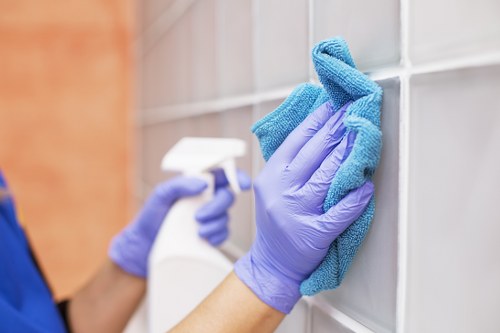
One of the biggest mistakes in sofa cleaning is using the wrong method for the upholstery type. Each fabric reacts differently to moisture, cleaning products, and scrubbing. Before starting any sofa cleaning routine, it is wise to check the manufacturer’s label or care instructions.
Fabric sofas usually respond well to vacuuming, spot treatment, and careful steam or shampoo cleaning, depending on the fabric code. Microfiber sofas are popular because they are durable and often easier to maintain, but they still need proper sofa cleaning to remove oils and stains. Leather sofas require special conditioners and gentle cleaners rather than heavy moisture or abrasive products.
Using the wrong product can damage fibers, fade color, or leave water marks. For this reason, a thoughtful sofa cleaning approach should always begin with material identification. If you are unsure, test any product on a hidden area first.
Common upholstery care labels
- W - Water-based cleaning only
- S - Solvent-based cleaning only
- WS - Water or solvent cleaning allowed
- X - Vacuum only; professional cleaning recommended
These labels matter because they help determine which sofa cleaning techniques are safe. Following them reduces the chance of damage and helps preserve the appearance of the upholstery.
Best Practices for Routine Sofa Cleaning
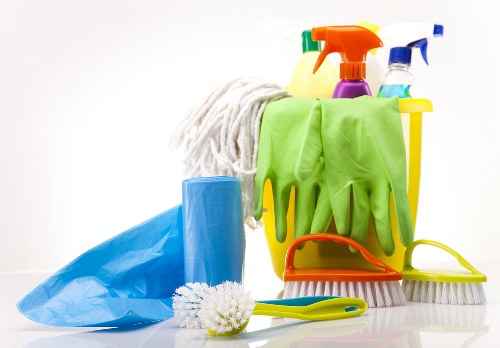
Routine sofa cleaning does not have to be complicated. In fact, a few consistent habits can keep your sofa in much better condition and reduce the need for intensive cleaning later. Start with regular vacuuming using an upholstery attachment to remove dust, crumbs, and debris from surfaces, seams, and underneath cushions.
Another valuable habit is rotating and fluffing cushions to maintain shape and distribute wear evenly. This simple step supports a cleaner look and helps prevent indentations that make upholstery appear older than it is. If your sofa has removable covers, wash them according to the fabric instructions.
Spot cleaning is another essential part of sofa cleaning. The sooner you address a spill, the easier it is to remove. Blot the stain gently with a clean cloth instead of rubbing it, which can push the spill deeper into the fibers.
Weekly maintenance checklist
- Vacuum all surfaces, including armrests and crevices.
- Remove crumbs and debris from under cushions.
- Check for new stains or sticky spots.
- Fluff cushions and adjust covers.
- Air out the room to reduce trapped odors.
By following a consistent routine, sofa cleaning becomes easier and less time-consuming. This type of preventive care is one of the best ways to keep your furniture looking fresh.
How to Remove Common Sofa Stains
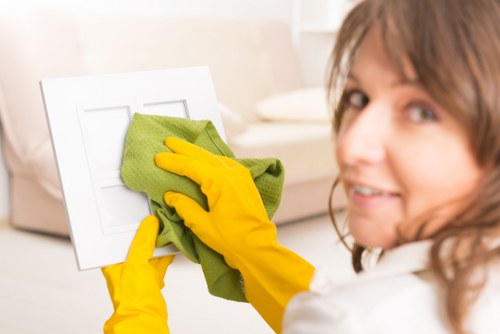
Stain removal is a major part of sofa cleaning because spills happen in nearly every home. Coffee, wine, grease, ink, pet accidents, and food stains are among the most common issues. The key is to treat stains quickly and use the correct method based on the stain type and upholstery material.
For liquid spills, blot up as much as possible right away using a clean white towel or paper towel. Avoid scrubbing, as this can spread the stain. For solid residue, gently lift it off the surface before applying any cleaner. When using a cleaning solution, apply it sparingly so the fabric does not become oversaturated.
Effective sofa cleaning often depends on a patient, step-by-step approach. Mild soap and water may work for some fabrics, while solvent-based spot removers may be required for others. Always follow the care label, and never assume that one stain remover works for all upholstery.
Common stain types and responses
- Coffee or tea: Blot immediately and use a mild upholstery cleaner.
- Grease: Apply an absorbent powder first if safe for the fabric.
- Wine: Treat quickly and avoid rubbing, which sets the stain.
- Ink: Use a fabric-safe solvent with caution.
- Pet accidents: Clean thoroughly and neutralize odors promptly.
When in doubt, professional sofa cleaning may be the safest choice, especially for delicate or expensive upholstery.
Deep Sofa Cleaning Methods That Deliver Better Results

While routine maintenance is important, deep sofa cleaning plays a bigger role in restoring freshness and removing embedded dirt. Depending on the fabric, this may involve steam cleaning, hot water extraction, dry cleaning, or specialized upholstery shampooing. The right method depends on the furniture type, stain severity, and manufacturer recommendations.
Steam cleaning is popular for many fabric sofas because it uses heated moisture to loosen dirt and sanitize the upholstery. However, not all materials can handle steam. Leather, suede, and some delicate fabrics require more careful treatment. For these materials, dry sofa cleaning or low-moisture methods may be more suitable.
Deep sofa cleaning can also help reduce odors caused by pets, food, smoke, and daily use. By removing particles trapped below the surface, the sofa smells fresher and feels more comfortable. For households that use their furniture heavily, periodic deep cleaning is a smart investment in cleanliness and durability.
Signs your sofa needs deep cleaning
- Visible stains that do not come out with spot cleaning
- Persistent odors even after vacuuming
- Flattened, dull-looking upholstery
- Increased allergy symptoms indoors
- Pet hair and dirt embedded in the fabric
If your sofa shows one or more of these signs, it may be time to schedule a more thorough sofa cleaning treatment.
Professional Sofa Cleaning vs. DIY Cleaning
When DIY works well
DIY sofa cleaning can be effective for light maintenance, small stains, and routine upkeep. If you have a durable fabric sofa and know the cleaning code, at-home care may be enough for everyday freshness. Vacuuming, mild spot treatment, and occasional odor control can go a long way in preserving the look of the upholstery.
When professional cleaning is the smarter option
Professional sofa cleaning becomes more valuable when the upholstery is delicate, the stains are widespread, or the furniture has not been cleaned in a long time. Experts use specialized tools, fabric-safe solutions, and techniques that reach deeper into the upholstery without causing damage. This is especially useful for expensive furniture, antiques, or sofas with tough stains and odors.
Professional sofa cleaning can also save time and reduce trial-and-error mistakes. Instead of guessing which product will work, trained technicians assess the fabric and choose the most effective process. If you want cleaner results with less risk, a professional service can be a practical choice.
Benefits of hiring experts
- Deep removal of dirt and allergens
- Safer treatment for delicate fabrics
- More effective stain and odor removal
- Time savings and less effort
- Improved upholstery lifespan
For many households, the best strategy is a mix of regular DIY maintenance and occasional expert sofa cleaning.
Sofa Cleaning Tips for Homes with Pets and Children
Managing daily wear and frequent messes
Homes with pets and children often need more frequent sofa cleaning because spills, hair, dirt, and accidental messes happen more often. In these households, prevention is just as important as cleaning. Using washable throws, cushion covers, or protective fabric sprays can help reduce damage and simplify upkeep.
Pet owners should vacuum regularly and pay extra attention to corners, seams, and under cushions where fur tends to collect. If your pet sheds heavily, a lint roller or rubber brush can help maintain a cleaner surface between deep cleanings. Families with children may also benefit from setting simple snack rules around the sofa to reduce food-related spills.
Simple prevention strategies
- Keep wipes or clean cloths nearby for quick spills
- Use washable throws for high-traffic areas
- Train pets to avoid climbing on certain sections
- Vacuum more often during shedding seasons
- Address stains immediately before they set
Good sofa cleaning habits are easier to maintain when the entire household participates. Small actions done consistently can greatly reduce the amount of deep cleaning needed over time.
How Sofa Cleaning Improves Indoor Air Quality
Reducing dust, allergens, and odors
Sofa cleaning is often associated with appearance, but it also affects the air you breathe. Upholstered furniture can trap dust, pollen, dander, and other airborne particles that settle into the fabric. When people sit down, these particles may be released back into the room, which can be uncomfortable for allergy sufferers.
Regular sofa cleaning helps remove these particles and improves overall indoor freshness. This is especially valuable in closed living spaces, homes with pets, or households where windows are not opened often. Cleaner upholstery means less buildup and a healthier-feeling environment.
Odor control is another major benefit. Sofas absorb smells from food, smoke, pets, and daily living. Routine cleaning and proper ventilation can prevent odors from becoming deeply embedded. If the smell persists, deeper upholstery treatment may be necessary.
Helpful air-quality habits
- Vacuum upholstery weekly
- Open windows when weather allows
- Use HEPA filtration in the home
- Clean spills before they create odors
- Schedule periodic deep sofa cleaning
Choosing Safe and Effective Sofa Cleaning Products
The products you use for sofa cleaning matter as much as the method. Harsh chemicals can damage fibers, leave residue, or trigger irritation for sensitive individuals. A safer approach is to use upholstery-friendly cleaners, mild detergents, or fabric-specific solutions approved for your sofa type.
Natural cleaning options can be useful for some small tasks, but they are not always suitable for every stain or fabric. For example, vinegar may help neutralize odors in certain cases, but it can be too harsh for delicate materials if used improperly. Baking soda can help absorb smells, but it should be vacuumed thoroughly afterward to avoid residue buildup.
Smart sofa cleaning means balancing effectiveness with safety. Always test products on hidden areas, avoid excessive moisture, and use clean microfiber cloths to reduce the chance of spreading dirt. When using commercial products, follow the instructions carefully and do not mix chemicals.
What to look for in a sofa cleaner
- Fabric compatibility
- Low-residue formula
- Non-toxic or low-odor ingredients
- Clear application instructions
- Stain-specific performance
Using the right cleaner supports better results and helps protect your furniture investment.
How Often Should Sofa Cleaning Be Done?
The ideal sofa cleaning schedule depends on how much the furniture is used, the type of fabric, and whether pets or children are present. As a general rule, vacuuming should be done weekly, spot cleaning should happen as needed, and deeper cleaning should be performed every few months or at least once or twice a year.
High-traffic homes may require more frequent sofa cleaning, while rarely used formal sofas may need less attention. Still, even furniture that is used lightly benefits from occasional maintenance because dust and airborne particles settle over time. A regular schedule prevents buildup and keeps the upholstery in better shape.
Consistency is the key. A sofa that is cleaned only after visible problems appear is often harder to restore than one maintained regularly. By planning ahead, you can avoid heavy staining, lingering odors, and premature wear.
Suggested cleaning schedule
- Weekly: Vacuum and inspect for stains.
- Monthly: Deep check seams, cushions, and under-seat areas.
- Every 3-6 months: Perform deeper sofa cleaning if needed.
- Yearly: Consider professional sofa cleaning for a thorough refresh.
Common Sofa Cleaning Mistakes to Avoid
Even with good intentions, some cleaning mistakes can make sofa cleaning less effective or even damaging. One of the most common errors is applying too much water. Excess moisture can soak into the cushions and padding, leading to slow drying, mildew, or water stains.
Another mistake is rubbing stains aggressively. While it may feel like rubbing will remove the stain faster, it often pushes the problem deeper and spreads the mark. It is usually better to blot carefully and work from the outside of the stain inward.
Avoid using random products without checking their compatibility with your upholstery. Strong bleach, abrasive powders, or highly scented cleaners may do more harm than good. A controlled sofa cleaning process protects the fabric and helps you achieve better results with less risk.
Other mistakes to avoid
- Skipping the vacuum step before wet cleaning
- Using too much cleaner at once
- Ignoring care labels
- Letting spills sit too long
- Not allowing enough drying time
Maintaining a Fresh Sofa for the Long Term
Long-term sofa care is about more than occasional cleaning; it is about building habits that preserve appearance, comfort, and hygiene. Light routine maintenance, immediate stain response, and periodic deep sofa cleaning can significantly extend the life of your furniture. This also helps protect the investment you made in your living room setup.
To keep a sofa looking fresh, it helps to think about the entire environment around it. Dust control, pet grooming, proper ventilation, and careful food habits all contribute to better results. The cleaner the surrounding space, the easier it is to maintain the upholstery.
If you want your living room to feel clean, inviting, and well cared for, sofa cleaning should be part of your regular home routine. Small efforts add up and can make a major difference in comfort and appearance.
Long-term care habits
- Rotate cushions regularly
- Use protective covers in busy areas
- Keep cleaning tools nearby
- Schedule seasonal upholstery checks
- Book professional sofa cleaning when needed
Take action now: build a simple cleaning schedule, address stains promptly, and stay consistent. Book your service now if your sofa needs a deeper refresh, and enjoy a cleaner, more comfortable home.