Emergency Carpet Cleaning in Ealing: What to Expect
When a spill, leak, pet accident, or muddy mess lands on your carpet at the worst possible moment, panic is usually the first reaction. Fair enough. But emergency carpet cleaning in Ealing is designed for exactly that kind of headache: fast response, practical damage control, and a proper clean-up before a small incident turns into a lasting stain or lingering smell.
If you are trying to work out what happens next, this guide walks you through the real process from first call to drying time. You will also see what a reputable cleaner is likely to ask, what results to expect, where people often slip up, and how to decide whether urgent treatment is worth it. There is a bit of art to emergency cleaning, truth be told, but it is mostly about acting quickly and knowing what to do in the first hour.
For broader carpet care, you may also find the main carpet cleaning service useful, especially if the problem turns out to need more than one visit.
Table of Contents
- Why emergency carpet cleaning matters
- How emergency carpet cleaning works
- Key benefits and practical advantages
- Who this is for and when it makes sense
- Step-by-step guidance
- Expert tips for better results
- Common mistakes to avoid
- Tools, resources and recommendations
- Law, compliance, standards and best practice
- Options, methods and comparison table
- Case study or real-world example
- Practical checklist
- Conclusion
- Frequently asked questions
Why Emergency Carpet Cleaning in Ealing Matters
Carpet fibres behave a bit like a sponge. Once liquid, grease, dye, mud, or pet mess gets pulled down into the pile, the problem does not stay neat and tidy on the surface. It spreads sideways, soaks deeper, and starts interacting with the underlay too. That is why emergency carpet cleaning matters: the faster the response, the more chance you have of limiting the damage.
In a busy Ealing home, that might mean a glass of red wine on a light wool carpet before guests arrive. In a rented flat, it could be a washing machine leak that leaves a damp patch and an odd smell by morning. In a shop or office, it may be a customer spill near a walkway where the floor needs to look presentable again, fast. Different settings, same basic rule: time matters.
The other reason emergency cleaning matters is confidence. When you know what to expect, the whole thing feels less chaotic. You are less likely to scrub too hard, less likely to use the wrong product, and less likely to make a temporary stain into a permanent one. That alone can save a lot of stress.
Practical takeaway: emergency carpet cleaning is not just about appearance. It is about damage limitation, hygiene, odour control, and protecting the carpet structure before the stain sets.
How Emergency Carpet Cleaning in Ealing What to Expect Works
The exact process depends on the type of stain and how long it has been there, but most urgent carpet cleaning jobs follow a fairly sensible pattern. A cleaner will usually start by asking what happened, what was spilled, how much of it there is, and how long it has been sitting. Those questions are not small talk. They help decide the right method and whether the carpet needs stain treatment, extraction, steam cleaning, or targeted odour removal.
In many cases, the first step on site is assessment. The technician checks the carpet fibre type, the pile condition, the affected area, and any risk of colour run. That matters because wool, synthetic fibre, and blended carpet all react differently to water, heat, and cleaning agents. To be fair, the difference between a good result and a disappointing one often comes down to that initial judgement.
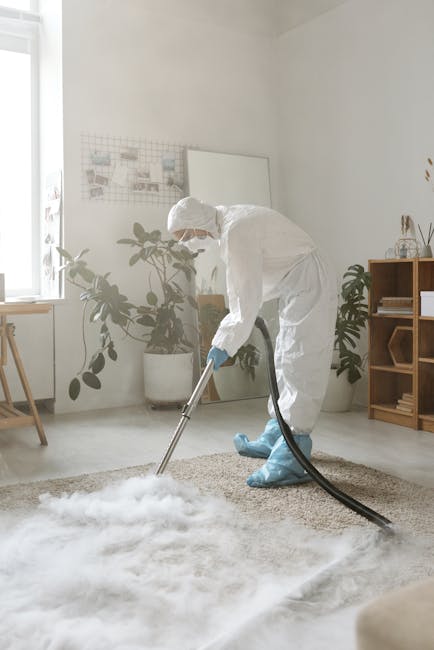
After assessment, the cleaner will normally blot or pre-treat the area rather than attack it straight away. Then comes agitation or extraction, depending on the method. If the carpet is suitable, steam carpet cleaning may be used for a deeper refresh, though emergency work is often more targeted than a standard whole-room clean.
Drying is the final piece people forget about. A reputable service will explain airflow, ventilation, and how long you should keep foot traffic off the area. On a damp London day, that can make a real difference. You will notice it especially in hallways and living rooms where air circulation is not brilliant. A slightly impatient step across a still-damp patch can undo a lot of good work. We have all been there, or close to it.
Key Benefits and Practical Advantages
The obvious benefit is stain reduction, but there is more to it than that. Emergency carpet cleaning can prevent a short-lived accident from becoming a long-term marking problem. It can also reduce odours, help the room feel usable again, and remove the awkward "something happened here" feeling that lingers even after the visible spill has gone.
- Faster stain control: urgent treatment helps stop liquids and residues from sinking deeper.
- Better odour management: especially useful for pet accidents, milk spills, and damp-related smells.
- Less fibre damage: the right method is gentler than random scrubbing with household products.
- More chance of a full recovery: some stains are far easier to lift within hours than days.
- Lower stress: once someone knows what they are doing, you can stop guessing.
There is also a practical side people sometimes miss: emergency cleaning can be cheaper than replacing carpet or underlay, especially if the issue is caught early. That is not always the case, and nobody sensible should promise miracles. But for many common spills, prompt professional action is the difference between manageable and expensive.
If the spill affects other soft furnishings too, it can make sense to ask about upholstery cleaning or sofa cleaning at the same time. One incident has a habit of spreading, doesn't it?
Who This Is For and When It Makes Sense
Emergency carpet cleaning is useful for more people than you might think. It is not only for disasters. Sometimes it is the small, irritating incidents that need fast help because they sit in high-traffic areas or create smell quickly.
Typical situations where urgent cleaning makes sense
- Red wine, coffee, tea, juice, or food spills on visible carpet areas
- Pet accidents and associated odour issues
- Water leaks, overflow, or damp patches that need attention
- Late-night messes before a viewing, event, or family visit
- Stains in rented properties where condition matters for inspection
- Commercial spaces needing quick turnaround after a customer spill
It also makes sense if you have tried spot cleaning and the patch looks worse afterwards. That happens more often than people admit. A stain can "set" because of heat, rubbing, the wrong detergent, or simply being left too long. If you are seeing a dark ring, a faded patch, or a smell that keeps returning, urgent treatment is usually worth considering.
Commercial properties are a special case. If a carpeted office corridor, reception area, or meeting room has been affected, presentation can matter just as much as hygiene. In those settings, a service such as commercial carpet cleaning may be the better long-term answer once the immediate issue is handled.
Step-by-Step Guidance
Here is the sequence most people can expect when arranging emergency carpet cleaning in Ealing. It may not happen in exactly this order every time, but it is close enough to be useful.
- Make the first call or enquiry. Give a plain-language description of the spill, leak, or stain. Mention the size, colour, smell, and how old it is.
- Get initial advice. The cleaner may tell you not to use hot water, bleach, or a particular household product. That advice matters, even if it sounds a little boring at the time.
- Prepare the room. Move smaller items away, clear a path, and if possible keep pets and children out of the area.
- On-site inspection. The technician checks the carpet, the stain boundary, and any surrounding damage such as skirting or underlay moisture.
- Choose the treatment. This may involve stain pre-treatment, odour treatment, extraction, or a more general clean.
- Carry out the clean. The technician works carefully, often in stages rather than one big aggressive pass.
- Review the result. You should be shown what has improved, what may remain faintly visible, and whether a follow-up visit is advisable.
- Discuss drying and aftercare. Expect practical advice on ventilation, walking on the area, and when furniture can go back.
One small but useful detail: ask whether the price includes stain treatment or whether that is treated as an add-on. Clear expectations early on avoid awkward conversations later. Nobody enjoys the "oh, that's extra" moment.
Expert Tips for Better Results
A few simple choices can make a big difference in how well emergency cleaning turns out. These are not glamorous tips, just the sort of things experienced cleaners say because they have seen the alternative more times than they would like.
- Act fast, but calmly. Panic spreads faster than the stain. Blot, don't scrub.
- Use plain white cloths or paper towels. Coloured cloths can transfer dye.
- Work from the outside in. This helps stop the stain from spreading wider.
- Avoid soaking the carpet. Too much water can push residue deeper and extend drying time.
- Ventilate the room. Open a window if you can, or at least keep air moving.
- Keep the cleaning agent simple. The wrong cocktail of products can create more trouble than the original spill.
Here is the odd little thing about carpet stains: trying harder is not the same as getting better results. A gentle, methodical approach usually wins. And if a stain is stubborn, a professional who knows how to treat it properly will usually do less damage than a well-meaning DIY attempt. That is just the truth of it.
If you are dealing with a pet accident, a dedicated service like pet stain odour removal can be especially helpful because odour is often the bit that keeps coming back after the surface looks fine.
Common Mistakes to Avoid
Most emergency carpet cleaning mistakes happen because people are in a hurry. Understandable, but still avoidable. The most common ones are predictable, which is good news because predictable problems are easier to sidestep.
- Scrubbing hard: this can roughen fibres and spread the stain.
- Using too much detergent: residue attracts dirt and can leave a sticky patch.
- Pouring on water: that often drives the stain deeper instead of lifting it.
- Using bleach or harsh chemicals: especially risky on dyed or natural fibres.
- Rubbing pet accidents with heat: heat can lock in smell and discolouration.
- Ignoring the underlay: the top looks fine, then the smell returns two days later. Lovely.
Another mistake is assuming the carpet is "fine" because the visible mark is smaller. Sometimes the immediate surface improves while moisture or residue stays trapped below. If that happens, the room may smell off and the patch may reappear as it dries. Slightly annoying, very common.
If the stain has also affected a rug, the right move may be to treat that separately with rug cleaning, because rugs often need different handling from fitted carpet.
Tools, Resources and Recommendations
You do not need a van full of equipment to deal with an emergency, but the right tools help. A professional cleaner will usually arrive with specialised extraction tools, pre-sprays, spot treatment products, and sometimes air-movers for faster drying. The exact kit varies, but the goal is always the same: lift the contaminant without harming the carpet.
| Method or Tool | Best For | What to Expect |
|---|---|---|
| Blotting cloths | Fresh spills | Quick absorption of surface liquid before it spreads |
| Spot treatment | Specific stains like coffee, food, or mud | Targeted cleaning with careful product selection |
| Hot water extraction | Deep cleaning after spill removal | Good for flushing out residue, with drying time required |
| Steam carpet cleaning | General refresh and deeper treatment | Useful when the carpet needs more than a local patch clean |
| Odour treatment | Pets, damp, organic spills | Focuses on smell as well as visible staining |
For careful stain work across different materials, stain removal is a sensible supporting service to know about. And if the issue is broader than the carpet alone, maybe curtains or mattress fabric have also taken a hit, in which case curtain cleaning or mattress cleaning could come into the picture too.
Law, Compliance, Standards, and Best Practice
Emergency carpet cleaning is not usually a heavily regulated service in the way some trades are, but that does not mean standards should be casual. A reputable cleaner should still work with proper care, sensible risk controls, and clear communication. In the UK, that generally means attention to health and safety, safe handling of cleaning products, and respect for customer property.
From a practical standpoint, you should expect a provider to explain what they are doing, warn you about drying times or slip risk, and avoid making unsupported promises. If a carpet is delicate, if the stain carries biological risk, or if the room has limited ventilation, a cautious approach is the right one. No drama, just good practice.
If you want reassurance about how a company handles safety and property care, it is sensible to review pages such as health and safety policy and insurance and safety. Likewise, for practical service details, pricing and quotes and payment and security can help you understand how the job is handled before anyone arrives.
There is also a simple best-practice principle worth remembering: if the cleaner sounds vague about the stain type, fibre type, or drying guidance, that is not ideal. Clarity is part of the service. Always has been.
Options, Methods, and Comparison Table
Not every emergency needs the same response. A fresh coffee spill on synthetic carpet is a different job from a pet accident on wool or a leak that has soaked the underlay. Here is a straightforward comparison of the most common approaches.
| Option | Best Used When | Strengths | Limitations |
|---|---|---|---|
| Quick spot treatment | Fresh, small spill | Fast, targeted, less drying time | May not fully solve deep staining or odour |
| Emergency extraction | Spill has soaked into fibres | Better residue removal, more thorough | Requires drying time and careful technique |
| Steam cleaning | Carpet needs deeper restoration after the emergency | Strong overall clean, helps with general grime | Not always ideal for every stain or fibre |
| Odour-focused treatment | Smell remains after visible stain is reduced | Targets lingering smell and contamination | May need follow-up if source has penetrated deeply |
The right option is usually the one that fits the carpet and the incident, not the one that sounds most impressive. A calm, targeted response generally works better than a dramatic all-in-one fix.
Case Study or Real-World Example
Imagine a family in Ealing West who discovers a dark spill on the lounge carpet just after lunch. It is a tea-and-sauce kind of moment, the sort that happens while everyone is half-distracted and someone says, "I'll get a cloth." By the time a second cloth appears, the stain has already sunk in a bit and the room smells faintly sweet and stale.
They blot the area, stop the spread, and call for emergency help the same afternoon. On arrival, the cleaner checks the fibre, confirms the stain is still treatable, and uses a careful pre-treatment before extraction. The visible mark improves straight away, but the real win is that the sticky residue and odour are reduced too. That means the room can be used again without everyone tiptoeing around the patch for a week.
Not every job ends so neatly. Sometimes a faint shadow remains, especially if the stain has dried or the carpet has been previously worn. But even then, urgent cleaning usually improves appearance and limits the long-term damage. That is often what people need most: not perfection, just a proper reset.
Practical Checklist
Use this quick checklist if you are dealing with a carpet emergency right now. It is simple on purpose.
- Identify the spill: water, food, drink, pet accident, oil, or unknown liquid.
- Blot gently: press, lift, repeat. Do not rub.
- Avoid harsh products: especially bleach, perfume-heavy sprays, and mixed cleaners.
- Keep note of timing: how fresh the stain is matters.
- Protect the area: stop foot traffic while you wait for help.
- Ask about drying: know when it is safe to walk on the carpet.
- Check for odour: if smell remains, mention it early.
- Ask about other fabric surfaces: sofa, rug, or curtain damage may need separate attention.
- Review aftercare: ventilation, furniture replacement, and next-day checks all matter.
And one small sanity-saving reminder: if your first attempt makes the stain look worse, stop. Really stop. That is the moment to hand it over to someone who deals with this all day.
Conclusion
Emergency carpet cleaning in Ealing is really about control. Control the spread, control the smell, control the damage, and get the room back to normal as quickly as possible. The best results usually come from a quick response, a sensible method, and honest expectations about what can and cannot be removed in one visit.
What should you expect? A short assessment, targeted treatment, practical drying advice, and usually a clearer, fresher carpet than you had an hour earlier. Sometimes the stain disappears completely. Sometimes a faint trace remains. But a good emergency clean should always leave you better off than you were before.
If you want to understand the provider better before booking, it can help to read more about the company on the about us page or review the terms and conditions. That kind of transparency is worth its weight in tea-stained carpet, honestly.
Get a free quote today and see how much you can save.
And if you are dealing with a fresh spill tonight, take a breath. The fix is often simpler than it looks once the right help is on the way.
Frequently Asked Questions
How quickly should I arrange emergency carpet cleaning after a spill?
As quickly as you reasonably can. Fresh spills are usually easier to treat than dried-in stains, and odours are less likely to settle if the area is handled early.
Can I clean the stain myself first?
Yes, but keep it gentle. Blot the area, avoid scrubbing, and avoid using strong chemicals unless you are sure they are suitable for the carpet fibre.
Will emergency carpet cleaning remove every stain completely?
Not always. Some stains are permanent or partly permanent, especially if they have set, reacted with the fibre, or been treated with the wrong product before help arrived.
How long does a typical emergency carpet cleaning visit take?
It depends on the size of the area and the severity of the spill. A small localised job may be fairly quick, while deeper contamination takes longer.
How long will the carpet take to dry?
Drying time varies by method, room ventilation, carpet type, and how much moisture was involved. Your cleaner should give you aftercare guidance based on the actual job.
Is emergency cleaning suitable for pet accidents?
Yes. In fact, pet accidents are one of the most common reasons people need urgent carpet help. The key is dealing with the stain and odour together.
What should I do if the spill has reached the underlay?
Tell the cleaner immediately. If moisture has gone below the carpet surface, the approach may need to change to avoid trapped damp and lingering smell.
Can emergency carpet cleaning help with commercial properties?
Definitely. Shops, offices, and hospitality spaces often need fast turnaround after a spill so the area looks professional and remains usable.
Should I move furniture before the cleaner arrives?
If you can do so safely, yes, especially smaller items. But do not risk injury or drag heavy pieces across the carpet. A little prep helps, but safety comes first.
What if the carpet looks fine but smells bad?
That usually means residue or moisture may still be present. A stain may be less visible than the underlying issue, so mention any lingering smell as soon as possible.
Do I need a full clean if only one small patch is affected?
Not necessarily. Many emergency jobs are localised. Sometimes a targeted stain treatment is enough; other times a deeper clean is the better option.
How do I know if a cleaner is trustworthy in an emergency?
Look for clear explanations, sensible questions about the stain, honest expectations, and straightforward information about pricing, safety, and aftercare. If the answer sounds vague, that is a small warning sign.