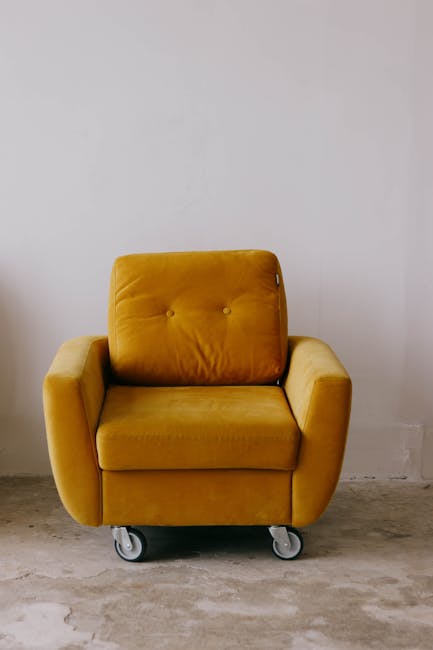
Northfields upholstery cleaning service W13: a practical guide to cleaner, fresher furniture
If your sofa is looking a bit tired, your dining chairs have picked up everyday marks, or that armchair in the corner has started to hold onto odours, you are in the right place. A Northfields upholstery cleaning service W13 is not just about making fabric look nicer for a few days. Done well, it helps restore the feel of your furniture, reduces build-up in fibres, and gives you a more comfortable home or workspace.
In Northfields, homes often juggle busy family life, pets, visitors, commuting, and the usual London dust that seems to appear from nowhere. Upholstery takes the brunt of that. This guide explains how professional upholstery cleaning works, what to expect, when it makes sense, and how to choose the right approach for sofas, chairs, curtains, and other soft furnishings. Straightforward, useful, no fluff.
Table of Contents
- Why Northfields upholstery cleaning service W13 matters
- How Northfields upholstery cleaning service W13 works
- Key benefits and practical advantages
- Who this is for and when it makes sense
- Step-by-step guidance
- Expert tips for better results
- Common mistakes to avoid
- Tools, resources and recommendations
- Law, compliance, standards, or best practice
- Options, methods, or comparison table
- Case study or real-world example
- Practical checklist
- Conclusion
- Frequently asked questions
Why Northfields upholstery cleaning service W13 matters
Upholstery is one of those things people tend not to notice until it starts looking dull, smelling a bit stale, or showing a stain that simply refuses to leave. Then suddenly the whole room feels less welcoming. That's usually when the value of a proper cleaning service becomes obvious.
A good upholstery clean does more than improve appearance. Fabric sofas, padded dining chairs, headboards, and office seating can trap dust, spilled drinks, body oils, crumbs, pet hair, and everyday grime. Over time, that build-up can affect how the fabric feels and how the room smells. In a busy household, especially one with children or pets, this happens faster than most people expect. One day it is "just a little mark"; a few months later it's a proper eyesore.
Northfields properties also vary a lot. You might be dealing with a compact flat, a Victorian terrace, or a small commercial space. Each one brings its own cleaning challenges. Delicate fabric, older upholstery, modern stain-resistant materials, and mixed-use furniture all need slightly different handling. That is why a one-size-fits-all approach tends to disappoint.
For many people, upholstery cleaning is also part of sensible maintenance. Just like carpet care, it helps you look after what you already own instead of replacing it too early. That's good for comfort, good for the wallet, and, frankly, better than dragging a bulky sofa to the tip because of a patch of forgotten coffee.
If you are already comparing related services, it can help to look at the wider fabric-care picture too. For example, a professional service may also offer upholstery cleaning alongside specific support for sofa cleaning, stain removal, or even softer fabrics such as curtain cleaning.
How Northfields upholstery cleaning service W13 works
Most professional upholstery cleaning follows a fairly sensible sequence: inspect, test, clean, and dry. Simple on paper, but the details matter. Fabric type, age of the item, stain history, and construction all affect how the work should be done.
First comes an inspection. A cleaner should identify the fabric type, check for warning labels if available, and look for weak seams, loose buttons, dye transfer risk, and previous damage. This is where experience counts. Some materials can handle moisture well; others need far more caution. You do not want guesswork with upholstery. Not really.
Next, the cleaner usually tests a small hidden area. This is especially important for delicate fabrics and dyed materials. If the sample reacts badly, the method can be adjusted before the visible areas are touched.
After that, loose debris is removed. Dry soil, crumbs, dust, and pet hair all need to go before any liquid treatment. If not, they can turn into muddy residue inside the fibres. Then the main cleaning stage begins, which may involve low-moisture extraction, hot water extraction, specialist spotting, or careful hand work depending on the item.
Drying matters just as much as cleaning. Furniture should not be left damp for too long, because that can create a musty smell or slow drying time. Good ventilation helps. Sometimes a fan is used, sometimes a few windows do the job. On a grey Northfields afternoon, that can take a bit longer than anyone would like, but it is worth doing properly.
If the job involves multiple surfaces in the home, it is often sensible to pair upholstery work with related services such as carpet cleaning or rug cleaning. That way the room feels consistent rather than half-refreshed.
Key benefits and practical advantages
The main benefit is obvious: cleaner furniture. But the real value goes deeper than a brighter sofa. Here is what you usually gain from professional upholstery care.
- Better appearance: marks, dullness, and patchy wear are reduced, which lifts the whole room.
- Improved comfort: fabric feels fresher and less sticky, gritty, or stale.
- Odour reduction: everyday smells from pets, food, smoke, or spillages are tackled more effectively.
- Longer furniture life: regular maintenance can slow down visible wear and help preserve the material.
- Healthier-feeling space: removing built-up dust and debris can make the room feel cleaner overall.
- Better presentation: useful for landlords, home sellers, offices, and hospitality settings where first impressions matter.
There is also a practical benefit that people overlook: professional cleaning can help you understand what your fabric can and cannot tolerate. That knowledge is handy. Once you know which cushion covers are vulnerable, or which chair fabric needs careful spot treatment only, you stop making the same mistakes again and again.
Practical takeaway: upholstery cleaning is not just cosmetic. It is maintenance, damage prevention, and comfort improvement all rolled into one. That is why it pays to treat it as part of regular home care rather than a last-minute rescue job.
For stubborn marks, odours, or pet-related issues, you may also want a service with focused treatment options like pet stain odour removal or more targeted stain removal.
Who this is for and when it makes sense
Truth be told, almost anyone with upholstered furniture can benefit. But some situations make the service especially worthwhile.
Homeowners and tenants often book upholstery cleaning when furniture has lost its freshness, especially before guests arrive, after a tenancy ends, or when moving into a new place. A sofa can look fine from a distance and still carry a lot of hidden build-up. That awkward smell when you sit down? Usually a clue.
Families with children tend to notice spillages, food marks, and sticky patches sooner or later. That is just life. Fabric furniture in a family home works hard, and it can show.
Pet owners often need help with fur, accidental stains, and odour. Some fabrics respond well to cleaning; others need more careful treatment. The sooner you deal with a pet stain, the better the result is likely to be.
Landlords and letting agents may need furniture refreshed between tenancies. A clean sofa or armchair can make a rental feel better cared for and more move-in ready.
Businesses with waiting areas, reception seating, or staff lounges often use upholstery cleaning as part of general premises maintenance. If customers or clients sit there, it matters. A scuffed-looking chair is a small thing, but it sends a message.
When does it make sense? Usually when you notice a visible mark, a lingering smell, flattened fibres, or a general loss of freshness. Sometimes the best time is simply before the problem gets bigger. That sounds obvious, but it is easy to put off.
Step-by-step guidance
If you want the clean to go well, the process should be orderly. Here is a practical way to think about it.
- Identify the item and fabric type. Sofa, chair, footstool, headboard, office seating, or something more delicate? The material dictates the method.
- Check care labels and condition. Labels are not exciting, but they matter. They tell you whether water-based cleaning is suitable and highlight any restrictions.
- Vacuum thoroughly. Get into seams, under cushions, and around buttons. Dry debris should come out first.
- Pre-treat stains carefully. Spot treatment should match the stain type where possible. A red wine mark is not handled the same way as grease or pet urine.
- Clean with the correct method. The right balance of moisture, agitation, and extraction keeps fabric safer.
- Rinse or extract properly. Leftover detergent can attract dirt again, so thorough removal matters.
- Dry with good airflow. Keep cushions spaced out and avoid using the item too early if it still feels damp.
- Review the result. Check for any missed spots and make note of items that may need future care.
A simple home example: a cream armchair with tea stains on one side and pet hair on the other may need a different approach than a plain synthetic office chair. The armchair might need pre-treatment and careful drying; the office chair may be quicker, but it could still hide dirt in the stitching. Slightly different. Same service, different logic.
Expert tips for better results
A few small choices can make a noticeable difference.
- Act quickly on spills. Blot, do not rub. Rubbing can drive the stain deeper and rough up the fabric.
- Test before treating. Even a mild solution can affect dye or texture on some fabrics.
- Be honest about the stain. If something has been treated with supermarket cleaner before, say so. It helps avoid odd reactions.
- Keep cushions rotated. Uneven wear makes furniture look older than it is.
- Ventilate the room. Fresh air helps drying and reduces that damp-fabric feeling.
- Don't soak the item. More liquid is not better. In fact, too much moisture can create longer drying times and ring marks.
- Ask about fabric-specific care. Velvet, linen blends, wool mixes, and synthetic weaves all behave differently.
One small but useful tip: if you are cleaning several items at once, start with the lightest contamination first. It helps avoid spreading soil around. A tiny thing, but these tiny things add up.
And yes, there is always that one hidden area under a cushion that tells the real story. If you have ever found a collection of crumbs, coins, and one very confused hair tie, you know what I mean.
Common mistakes to avoid
People do make a few repeat mistakes with upholstery. Most of them are understandable, but they can make the final result worse.
- Using too much water: this can create soak-through, slow drying, and water marks.
- Scrubbing hard: aggressive friction can damage fibres and spread stains.
- Using random products: mixing cleaners or choosing the wrong formula can set a stain or leave residue.
- Ignoring the fabric type: what works on one sofa may be a bad idea on another.
- Waiting too long: old stains are harder to shift, especially on absorbent materials.
- Skipping the drying stage: a fabric that still feels damp is not finished.
- Trying to fix everything at home: some stains are better left to experienced hands, especially dye transfer or heavy odour issues.
One more thing. If a stain has already been "attacked" with three different household products, the job becomes more complicated, not less. That is not a criticism; it happens all the time. But it changes the plan.
Tools, resources and recommendations
You do not need a van full of gadgets to understand good upholstery care, but a few basic tools and sensible services help a lot.
- Vacuum cleaner with upholstery attachment: useful for routine care and pre-clean preparation.
- Soft brush: helps lift dust and hair from textured fabric without being rough.
- White microfibre cloths: good for blotting and spotting stains without colour transfer.
- Fans or open windows: simple but effective for drying.
- Fabric care label: probably the least glamorous item on the list, but often the most useful.
For a broader clean across the home, it can be sensible to coordinate upholstery care with steam carpet cleaning or even mattress cleaning if the aim is to freshen sleeping and seating areas together. If the job is commercial, commercial carpet cleaning can also be part of the same maintenance cycle.
When you are comparing services, cost transparency matters too. A clear pricing page and quote process is always a good sign, so it is worth reviewing pricing and quotes before booking. It helps you understand what is included, what may be extra, and whether the service fits your expectations.
Law, compliance, standards, or best practice
For upholstery cleaning, the main thing is not some flashy claim or technical buzzword. It is safe, careful, and transparent working practice. In the UK, a sensible provider should treat customer property with care, use products responsibly, and communicate any limitations honestly.
For example, if a fabric is unsuitable for wet cleaning, that should be explained clearly. If a stain is likely to lighten rather than disappear completely, that should be said upfront too. This kind of honesty matters more than big promises. It protects the customer and avoids disappointment later.
Health and safety also come into play. Wet floors, electrical equipment, ventilation, and chemical handling all need basic control. A provider with a clear health and safety policy and sensible insurance and safety information is usually easier to trust than one that dodges those subjects.
Good practice also includes reasonable privacy and payment handling, especially when bookings are made online or by phone. If that matters to you, it is worth looking at payment and security and the company's privacy policy. Not thrilling reading, granted, but useful.
There is also an environmental angle. Many customers want cleaning that avoids unnecessary waste and uses resources thoughtfully. If that is important to you, take a look at a provider's recycling and sustainability approach. Small details matter. They really do.
Options, methods, or comparison table
Different upholstery items and stains often call for different methods. Here is a simple comparison to help you think it through.
| Method | Best for | Strengths | Watch-outs |
|---|---|---|---|
| Vacuum-only maintenance | Routine care between professional cleans | Quick, low risk, good for dust and crumbs | Will not remove stains or deep soil |
| Spot treatment | Fresh spills and isolated marks | Targets one area, can be efficient | Wrong product can worsen the stain |
| Low-moisture upholstery cleaning | General fabric refresh and many domestic sofas | Faster drying, less risk of overwetting | May need careful pre-treatment for stubborn stains |
| Hot water extraction | Heavier soiling on suitable fabrics | Deep cleaning potential, strong soil removal | Not ideal for all materials; drying time matters |
| Specialist treatment for delicate fabrics | Velvet, natural fibres, older or sensitive items | More controlled, fabric-aware cleaning | Slower, more cautious, sometimes limited stain removal |
The best method is not always the strongest one. It is the one that suits the item. That's the bit people sometimes miss.
Case study or real-world example
Here's a typical Northfields-style scenario, without turning it into a fairy tale. A family in a W13 terrace notices their three-seat sofa has started to look grey in the sitting area, even though it was bought in a pale neutral fabric. There are faint drink rings, some pet hair around the cushions, and one patch where a child tried to "help" with a biscuit. Naturally.
They have already vacuumed it a few times, but that only scratches the surface. The cleaner inspects the material, checks for a care label, and tests a hidden section. The stain around the armrest needs pre-treatment, the seating area needs a general fabric refresh, and the pet odour needs extra attention. The whole job is handled in stages so the fabric is not soaked. Drying is supported with good airflow, and the sofa is left looking brighter and feeling much fresher by the next day.
What did they notice most? Not just the cleaner appearance. The room smelled better. The fabric no longer felt slightly sticky. And the sofa looked like part of the home again, instead of something they were quietly embarrassed by. That is usually the real win.
If the furniture also includes similar items, the same approach can be extended to sofa cleaning and other soft furnishings in the room. Consistency makes a difference.
Practical checklist
Use this quick checklist before arranging upholstery cleaning in Northfields:
- Identify the furniture type and how much wear it has.
- Look for care labels or manufacturer instructions.
- Note the main issues: stains, odours, pet hair, dullness, general soiling.
- Photograph problem areas if you want a before-and-after reference.
- Tell the cleaner about previous products used on the fabric.
- Ask what method is suitable for your material.
- Confirm drying expectations so you can plan your day.
- Clear the area around the furniture before the appointment.
- Check whether related items like rugs or curtains should be cleaned too.
- Review the provider's service information including terms, safety, and payment details.
If you want to understand the wider company approach before you book, it can also be useful to read the about us, terms and conditions, and complaints procedure pages. A little due diligence goes a long way.
Conclusion
A Northfields upholstery cleaning service W13 is one of those practical home services that quietly improves everyday life. It freshens the room, helps preserve your furniture, and removes the build-up that routine vacuuming simply cannot reach. More importantly, it gives you confidence that your sofas, chairs, and other upholstered items are being looked after properly.
Whether you are dealing with a stubborn stain, lingering odour, pet hair, or just that "it needs a proper refresh" feeling, the best results usually come from a careful, fabric-aware approach. And honestly, that is what most people want: clean furniture, less hassle, and no surprises.
Get a free quote today and see how much you can save.
Sometimes the best home improvement is the one that makes your favourite chair feel like new again. Small comfort, big difference.
Frequently Asked Questions
What does upholstery cleaning involve?
It usually involves inspecting the fabric, removing dry soil, treating stains carefully, cleaning with a suitable method, and allowing the item to dry properly. The exact process depends on the material and condition of the furniture.
How often should upholstery be cleaned?
That depends on use. A busy family sofa may need attention more often than a spare room chair. If the furniture gets heavy use, starts to look dull, or holds odours, it is probably time.
Can upholstery cleaning remove old stains?
Sometimes, yes, but not always completely. Older stains can bond with fibres or fade the fabric around them. A good cleaner can usually improve them, but honest expectations matter.
Is upholstery cleaning safe for delicate fabrics?
It can be, provided the cleaner uses the right method and checks the fabric first. Delicate materials need a cautious approach, sometimes with limited moisture or specialist treatment.
How long does upholstery take to dry?
Drying time varies by fabric, cleaning method, airflow, and room conditions. Some items dry fairly quickly; others need longer. Good ventilation helps, and it is better not to rush it.
Will cleaning remove pet smells from my sofa?
It can reduce or remove many pet odours, especially if the smell is recent and has not soaked too deeply. For stronger cases, targeted pet stain odour removal may be more appropriate.
Should I vacuum my upholstery before the cleaner arrives?
If you can, yes. It helps remove loose dust and hair and gives the cleaner a better starting point. If you cannot, do not worry too much. A professional service will normally handle the preparation.
Can I clean all upholstery the same way?
No. Fabric type matters a lot. Velvet, wool mixes, synthetic upholstery, and older pieces all behave differently. That is why inspection and testing are so important.
Is upholstery cleaning worth it compared with replacing furniture?
Often, yes. If the frame and fabric are still in good condition, cleaning is usually a more economical and sensible option than replacement. It also reduces waste, which many people appreciate.
What should I ask before booking a cleaning service?
Ask about the cleaning method, drying time, stain expectations, insurance, terms, and whether they handle your fabric type. Clear answers are a good sign.
Can upholstery cleaning be done with carpet cleaning in the same visit?
Yes, often it can. Many people combine it with carpet cleaning or rug care so the whole room feels refreshed at once.
What if my furniture has already been treated with supermarket cleaner?
Tell the cleaner. That information is useful because some household products can affect how stains respond later. A bit of awkward history is better than a mystery patch.